Americans Have Started Going to the Doctor Again — And Now Health Insurance Companies Are Panicking
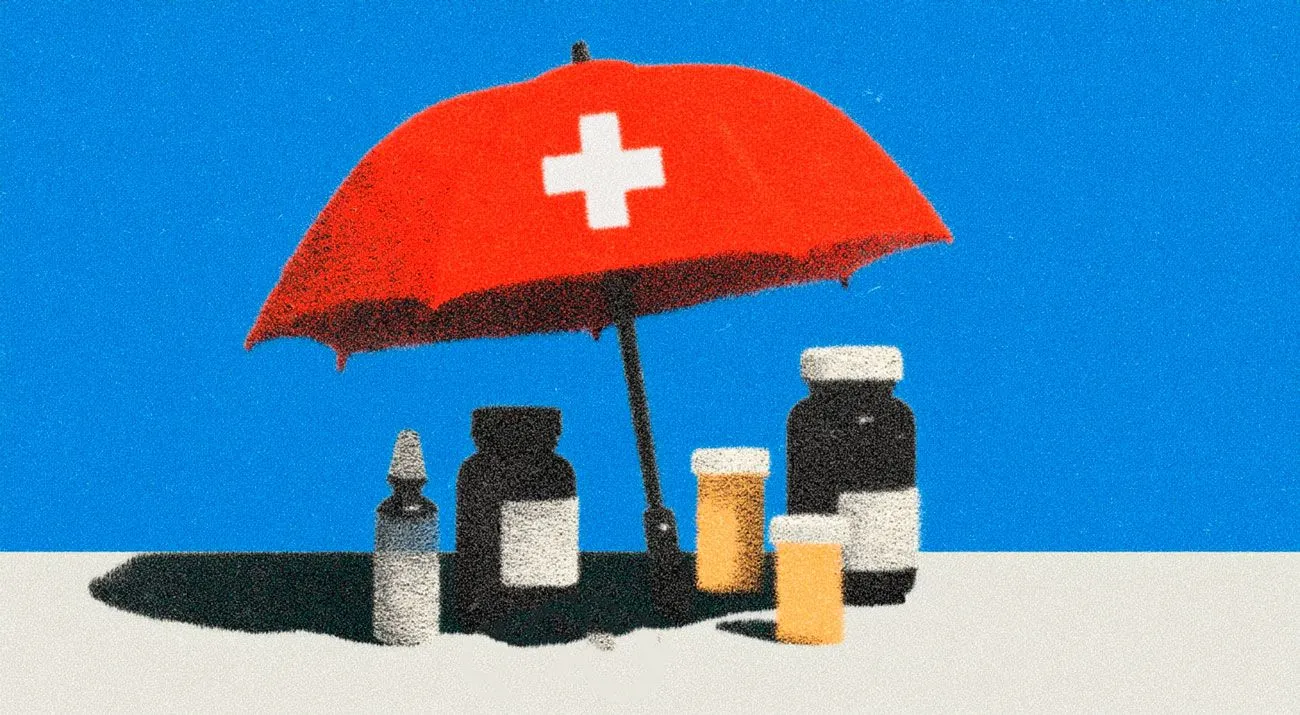
The business model that made health insurance a Wall Street favorite is falling apart. After years of collecting premiums based on predictable usage, major insurers are now hemorrhaging money as Americans finally seek the medical care they’ve been putting off — and the sector is bracing for near-crisis level impact.
The sick day reckoning: Health insurers have thrived for decades on a predictable formula — collect premiums, pay out less in claims, pocket the difference. Actuarial models helped them predict how often people would get sick, and for years, that approach held steady. But when the pandemic hit, routine checkups and treatments were put off, allowing insurers to keep collecting premiums while paying out far less. This temporarily inflated profits while hiding a buildup of untreated medical needs. Now, as patients return with more serious and costly conditions, insurers are facing a flood of claims they didn’t fully price in — crushing margins and the confidence of investors who anticipated steady returns.
- Centene reported a $79M adjusted loss in Q2 as its health benefits ratio jumped to 93%, while Elevance Health saw its ratio climb to 88.9%.
- Similarly, UnitedHealth reported yesterday that it expects lower 2025 earnings after Medicare Advantage costs drove its Q2 medical care ratio to 89.4%.
The Wellness Illusion
Healthcare is the worst-performing S&P 500 sector this year, and the outlook is getting darker. Insurers are under pressure on multiple fronts as federal probes into Medicare billing are targeting long-protected revenue streams, pandemic-era subsidies are fading, and cost pressures are mounting. At the same time, expensive drugs and mental health care continue to overwhelm outdated pricing models, making it harder for the system to keep up:
- Adding salt to the wound, PwC projects an 8.5% jump in commercial medical expenses next year, and ACA marketplace premiums could rise up to 15% as enhanced subsidies expire.
- Additionally, Congress has approved $1T in Medicaid cuts over the next decade, potentially pushing 10M Americans off coverage by 2034.
Premium pain, denied gain: It’s a lose-lose for patients and insurers alike. Private insurers denied 25% more prescription drug claims in 2023 compared to 2016, even as patients are using more care than ever. Nearly half of Americans say they couldn’t afford an unexpected $500 medical bill, and over a third have skipped care due to cost. Molina CEO Joseph Zubretsky calls the situation “a temporary dislocation,” but CNBC’s Kelly Evans warned that insurers may be “too big to fail,” yet without fixing their broken pricing model, they risk becoming too broken to help.

