Americans Don’t Know They’re Paying for Their 401(k) — Here’s How To Take Control and Save Thousands
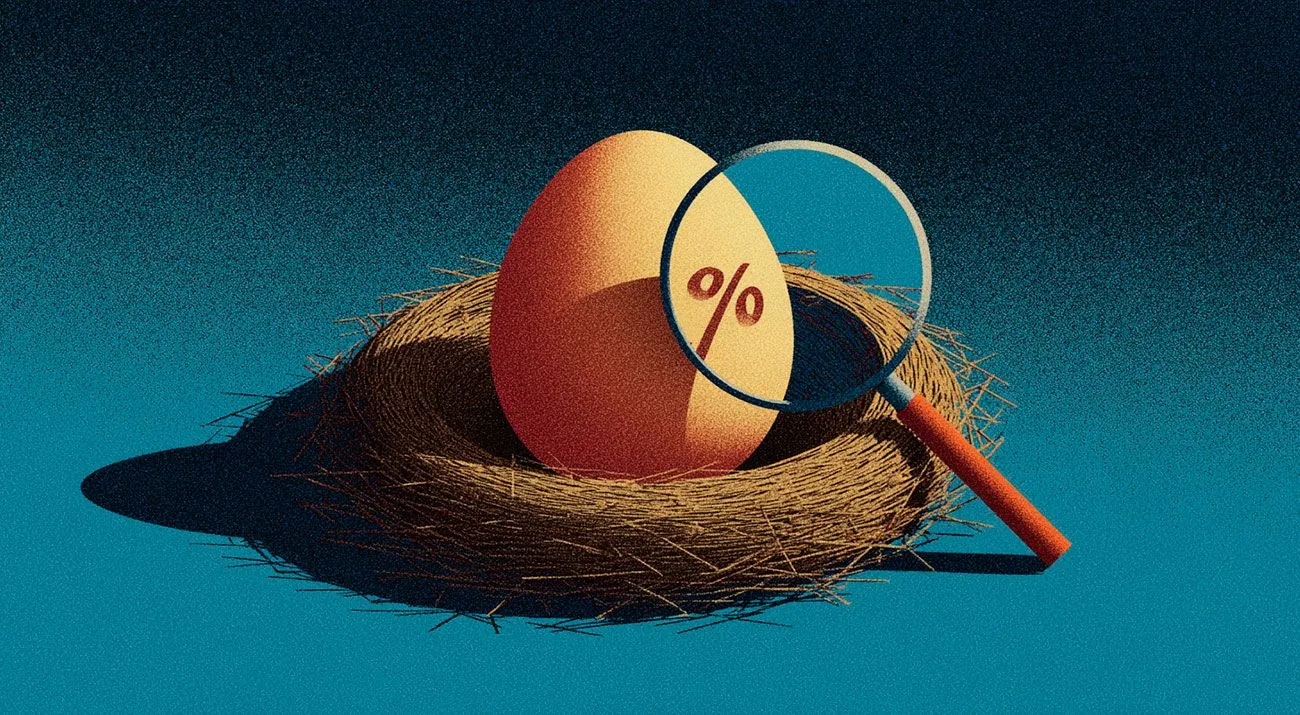
They say that you have to spend money to make money, but ask an American how much they’re paying for their 401(k), IRA, or other investments, and you might get some sideways looks — or worse, “Oh, I don’t pay for that.”
Spoiler: they do.
According to a 2021 report by the U.S. Government Accountability Office, 41% of Americans don’t know they pay fees on their 401(k), and 40% don’t fully understand the fee info. That ignorance could cost them in the long run — but it doesn’t have to.
Out of sight, out of pocket: Most Americans don’t max out their 401(k), let alone take advantage of catch-up contributions or mega backdoor options, which makes every dollar contributed to a workplace pension even more important. Not only do 401(k)s generally come with employer matches (free money), but they also offer tax benefits that could save Americans money now or later. Still, most 401(k)s have a glaring hazard: fees.
Per the Investment Company Institute, the average expense ratio in 401(k) equity and bond funds was 0.36% and 0.25% in 2021. Many Americans don’t see these fees broken out on their statements, but they’re there — and while that’s half of what they were in 2000, they’re still much higher than they need to be.
- These days, many 401(k)s offer a wider variety of lower-cost ETFs and mutual funds (think: <0.10%) that track broad indexes like the S&P 500.
- In most plans, it’s not hard to find and switch to these cheaper options — which helps offset the unavoidable admin or recordkeeping fees baked in by providers.
The Cost of Wealth
While not all 401(k)s boast super-cheap investment options like you might find in a roboadvisor (or choose on your favorite brokerage app), there’s no disputing that cheaper is generally better. The costs alone speak for themselves.
- A $100K investment in a fund with a 0.50% expense ratio could result in $189.2K in lost gains over a 40-year period (assuming a 6% return) — all the more reason to go cheap and stay cheap.
- Further, the onus is on more expensive ETFs to justify their value relative to more common index strategies (like those tracking the S&P 500); in the long run, these funds seldom outperform the tried and tested.
Bid them a quick goodbye: Americans might not choose who manages their 401(k), but this weekend might be a good time to hop into your plan dashboard, check how much you’re contributing, and evaluate where that money’s actually going. Opting for cheaper, diversified options might save you in the long run. And if your 401(k) is truly the worst of the worst? A glimpse into our economic reality might help you make a plan to roll assets into an IRA on a frequent (say, annual) basis. Equipped with the facts, your future self will thank you.

