Americans Are Rushing to Learn Jobs Robots Can’t Do — And Specialized Training Companies Are Cashing In
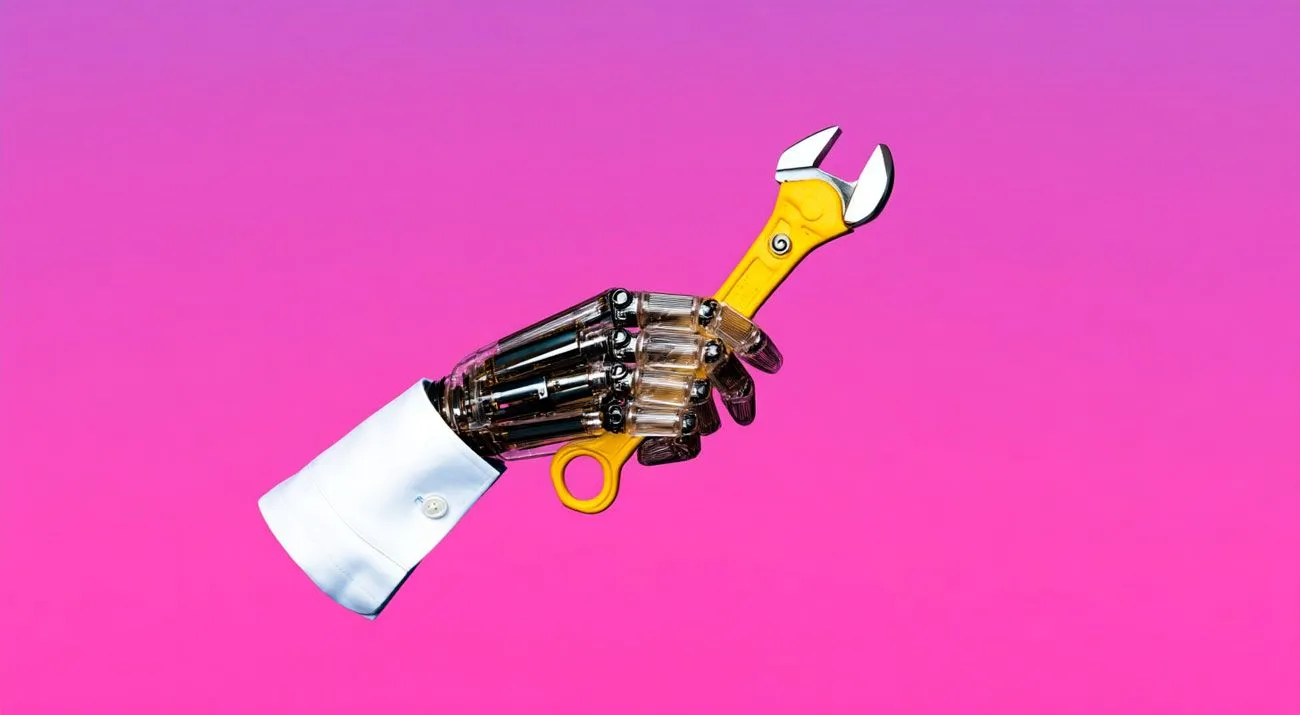
Growing up, our parents warned that if we didn’t study hard, we’d end up fixing sinks or wiring houses — as if life’s worst fate came with a toolbox. Fast-forward a couple of decades, and those “fallback” jobs are now among the few careers AI hasn’t figured out how to replace. In fact, they’ve become some of the most secure, in-demand, and surprisingly lucrative jobs out there.
Rise of the trades: While office workers panic-Google, “Can AI take my job?,” something unexpected is happening in America’s labor market. Blue-collar wages are rising at the fastest rate since Nixon, yet factories still can’t fill 450K jobs each month, even with generous pay bumps. The same AI that’s making white-collar work obsolete is also worsening the skilled labor shortage, with tech companies now racing to hire electricians to keep their data centers running. As TV Host Mike Rowe put it, “We’ve been telling kids for 15 years to code… Yeah, well, AI’s coming for the coders. They’re not coming for the welders.”
- A recent Microsoft study on AI-resistant jobs found that the 40 roles most at risk — like translators, historians, and sales reps — are mostly desk-based and employ ~11M people.
- In contrast, the 40 safest jobs — including dredge operators, roofers, and electricians — are largely manual roles with a workforce of about 5.5M.
Learn to Earn
The shift from traditional degrees toward practical training has sparked a boom for specialized education providers. These firms profit from students seeking recession-proof careers and employers willing to pay top dollar for skilled talent. This renewed focus on upskilling is fueling robust growth for alternative training firms.
- Lincoln Educational Services, a career training company focused on non‑college pathways, has seen its shares climb 90% this past year.
- Universal Technical Institute, which provides technician training in fields like electrical, robotics, and wind turbine technology, has surged 82% in the same period.
The automation paradox: The truth is AI isn’t replacing these jobs — it’s making them more valuable and harder to fill. Heavy machinery companies like Caterpillar are investing in training workers for robotics and automation. After all, every algorithm needs hardware, every robot needs repairs, and every automated system still depends on skilled humans to keep it running. Because let’s face it: when a pipe bursts at 2 AM and your bathroom starts to resemble Venice, ChatGPT won’t be the one showing up with a wrench and the quiet disappointment of someone who’s seen far too much.

