After Decades of Sky-High Prices and Empty Promises, Washington is Finally Forcing Big Pharma to Swallow Its Own Medicine
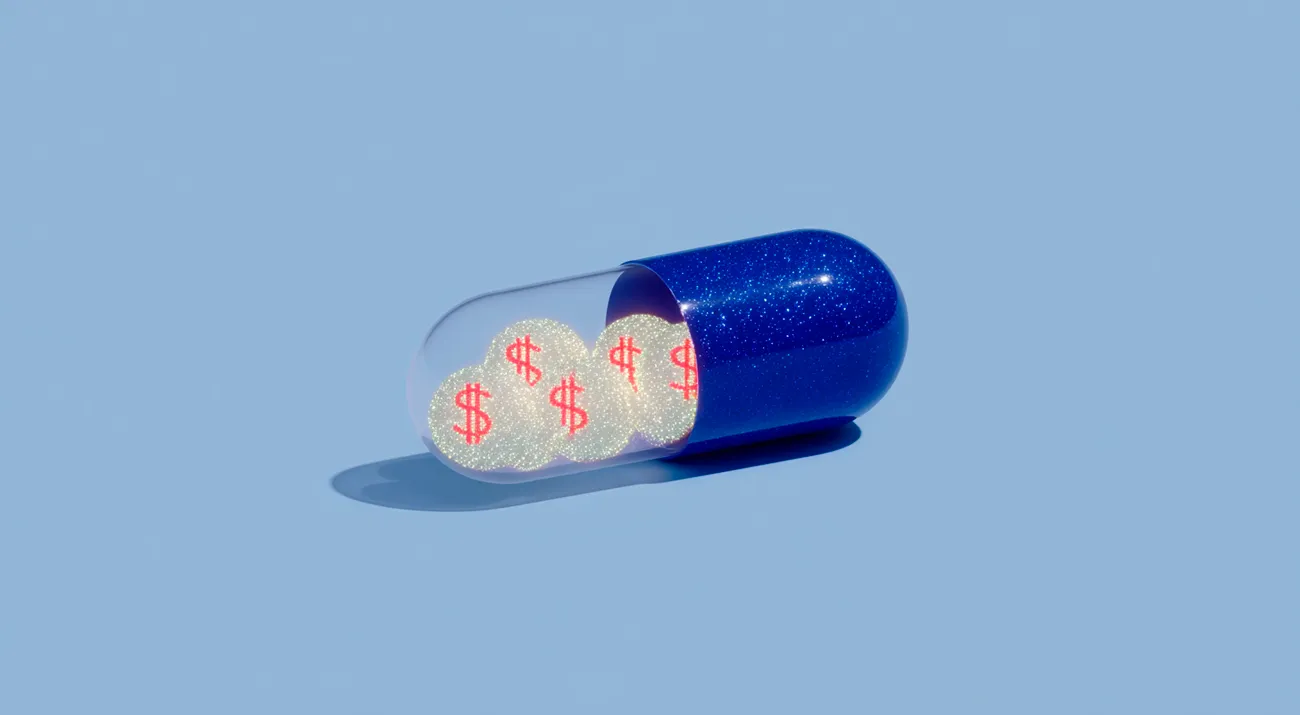
Americans pay more for prescription drugs than anyone else — often 2-3x what other countries pay for the same meds. Pharma companies have long blamed high research costs while posting massive profits — but that pricing power is starting to crack.
The diet plan: Right now, getting Ozempic or Wegovy without going broke means navigating a maze of insurance red tape that often denies coverage for weight loss. But that model might soon change. The White House has proposed lowering the price of GLP-1 drugs like Ozempic to around $150 a month — a cut from today’s ~$1K list price. Some insured patients already pay as little as $25 after rebates, but millions still lack coverage or hit annual caps, leaving them paying out-of-pocket. That’s fueled demand for costly telehealth clinics and unregulated compounded versions. If the proposed pricing sticks, it could finally make these blockbuster drugs accessible to millions who’ve been shut out.
- The announcement sent Novo Nordisk down 3% and Eli Lilly over 2% on Friday, wiping billions in market value as investors reassessed the outlook for a $95B weight-loss market.
- WeightWatchers, fresh out of bankruptcy with a GLP-1–based turnaround plan, now risks disruption as direct manufacturer pricing undercuts its model.
The Miracle Deal
Washington’s affordability push is spreading beyond obesity drugs — this time, including fertility treatments. IVF in the US can cost anywhere from $15K to $30K per cycle, and most need more than one round to succeed. A new deal with Germany’s Merck KGaA offers a bit of hope — its full IVF drug lineup (Gonal-f, Ovidrel, and Cetrotide) will be available at an 84% discount when used together.
- Starting in January, the deal will shave more than $2K off treatment costs, cutting total expenses by 42% to 79% for families depending on patient income.
- Fertility-related stocks like Progyny, INVO Bioscience, and The Cooper Companies all rose on the news as investors anticipated that lower costs could expand access to treatments.
Cutting the middleman: The ripple effect isn’t stopping at IVF. Major drugmakers like AstraZeneca and Pfizer have now agreed to sell medications directly to patients through the upcoming TrumpRx.gov platform, set to launch in early 2026, with discounts of up to 80–84%. By skipping insurers and pharmacy middlemen, Washington may have finally found the one prescription Americans actually want — cheaper meds.

